Home
Photos
Hiking
Writings
Contact
Copyright
Favorites
by Subject
Chronological
David Albeck's Photos of Birds
Animals index
Class Aves. Egg-laying vertebrates with feathers and wings. Generally agreed to be descended from theropod dinosaurs.
Birds: Family Index
Click a thumbnail to skip to photos of the bird family indicated
Click a thumbnail to see a full-size photo. Click the label below the thumbnail to see the original gallery for each photo.
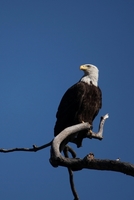
Hawks & Eagles (Accipitridae)
A group of diurnal raptors (i.e., day-flying meat-eating birds with hooked bills and strong talons)
Birds index Animals index
bald eagles
Red-Tailed Hawk
red-tailed hawk
red-tailed hawk
(no album)
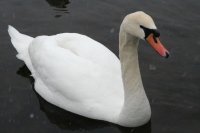
Ducks & Geese (Anatidae)
Birds index Animals index
Swimming birds with webbed feet (front-facing toes only); some have a horizontally-flattened bill; many are highly social and vocal, with a hornlike call. Subfamilies within anserinae are controversial, but all the photos I've taken so far are of birds in the two most-accepted subfamilies.
Click image for Anatidae page
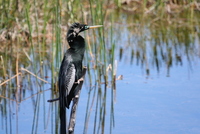
Anhingas (Anhingidae)
Very long-necked, straight-billed, swimming predatory birds related to cormorants
Birds index Animals index
Anhinga (
Anhinga anhinga)
Anhinga (
Anhinga anhinga)
Anhinga (
Anhinga anhinga)
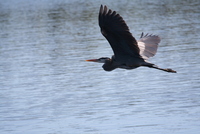
Herons (Ardeidae)
Long-billed, often long-legged and long-necked, predatory wading birds
Birds index Animals index
Click image for Ardeidae page
Cardinals (Cardinalidae)
A family of medium-sized, thick-billed, seed-eating birds. Includes a few "grosbeaks", "finches" and "buntings", though those names are also used for other families.
Birds index Animals index
Northern Cardinal (
Cardinalis cardinalis)
Northern Cardinal (
Cardinalis cardinalis)
Northern Cardinal (
Cardinalis cardinalis)
Northern Cardinal,
Cardinalis cardinalis
Crows & Jays (Corvidae)
Family Corvidae includes crows, ravens, choughs, rooks, jackdaws, jays, magpies, treepies, and nutcrackers.
Generally large birds (by songbird standards), corvids are often loud, unafraid of humans, and aggressive toward other birds and toward potential predators. Many will take food from humans (whether offered freely or not), and some also steal shiny objects. Some species are highly social, others are territorial, and some guard a feeding territory during the day but join a communal roost at night.
Corvid species are frequently mentioned among the most intelligent birds, having demonstrated self-recognition, tool-making, and problem-solving abilities. A recent study demonstrated that crows can recognize individual human faces, but I am unaware of any human ever being able to recognize an individual crow (unless the crow had a scar or similar marking).
A surefire way to identify a corvid is to look closely at the top of its beak: corvids have bristly feathers that extend forward over their nostrils. To varying degrees, corvids also all have sturdy beaks, a harsh, dissonant voice (though some are good mimics), and a tendency to walk, not hop, when on the ground.
Birds index Animals index
Steller's Jay
grey jay
grey jay
grey jay
American Sparrows (Emberizidae)
Small songbirds that look like, but are not related to, European sparrows.
Birds index Animals index
Song Sparrow,
Melospiza melodia
sparrow
(no gallery)
white-throated sparrow
sparrow
Weaver-Finches (Estrildidae)
A family of small birds with very thick, short bills for cracking seeds. Their nests are roofed over.
Birds index Animals index
Shaft-tail Finch,
Poephila acuticauda
Shaft-tail Finch,
Poephila acuticauda
Owl Finch,
Taeniopygia bichenovii
Three-colored parrot-Finch,
Erythrura tricolor
Gouldian Finch,
Erythrura gouldiae
Gouldian Finch,
Erythrura gouldiae
Gouldian Finch,
Erythrura gouldiae
Orioles, Grackles, & Blackbirds (Icteridae)
A group of medium-size, mostly-black (the males that is), loud songbirds. Note that not all "blackbirds" are related.
Birds index Animals index
Brown-headed Cowbird
Molothrus ater
Boat-Tailed Grackle
Quiscalus major
Boat-Tailed Grackle
Quiscalus major
Grackle
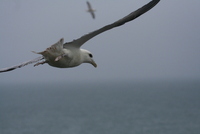
Gulls (Laridae)
Large, aggressive, noisy coastal birds with webbed feet. Some live nearly 50 years, and take three or four years to reach maturity. Most are indiscriminate eaters. Species are often hard to tell apart, with variable coloration, plumage that changes with maturity, and widespread hybridization.
Birds index Animals index
Ring-Billed Gull,
Larus delawarensis
Ring-Billed Gull,
Larus delawarensis
Gull
Herring Gull,
Larus argentatus
Great Black-Backed Gull,
Larus marinus
gull
(no album)
Mockingbirds & Thrashers (Mimidae)
Medium-sized, long-tailed birds, some of which have a habit of imitating the songs of other birds, and any other sounds they hear.
Birds index Animals index
Northern Mockingbird,
Mimus polyglottus
Northern Mockingbird
grey catbird,
Dumetella carolinensis
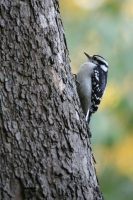
Woodpeckers(Picidae)
Stiff-billed birds that can hammer through bark and wood to find insects, and also to excavate a nesting cavity, or just to make noise to attract a mate. Most have very long, prehensile tongues which allow them to capture insects underneath bark even if they do not drill in precisely the right spot, or to scoop up ants from an anthill. To allow tongues to extend up to three times the length of the bill, the hyoid bones in some species are so long they wrap around the back of the skull and all the way to the nostrils. Contrary to popular belief, these elongated hyoids don't seem to be important in absorbing the shocks from hammering into wood. Some of the longest are in flickers, who don't do much hammering.
Woodpeckers are zygodactylous - they have two forward-facing toes and two backward-facing toes, enabling them to perch upside-down or sideways.
Birds index Animals index
Downy Woodpecker
(no album)
Downy Woodpecker
(no album)
Downy Woodpecker
(no album)
Cormorants (Phalacrocoridae)
Large swimming birds with long necks and narrow, hooked bills.
Birds index Animals index
double-crested cormorant (
phalacrocorax auritus)
Cormorant
(no gallery)
Cormorant
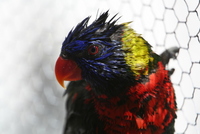
Parrots, Parakeets, Lories, and Lorikeets (Psittacidae)
Birds with strong, hooked beaks. Mostly large, colorful, noisy, and gregarious. They are zygodactilic (two toes point backwards), and often maintain a nearly vertical posture when perched. Some eat mostly seeds and fruit (as you'd guess from the bill) but lories eat a lot of nectar, which they lap up with their furry tongues.
Birds index Animals index
Ara chloropterus
Rainbow lorikeet,
Trichoglossus haematodus
Rainbow lorikeet,
Trichoglossus haematodus
Rails (Rallidae)
Birds with non-webbed feet, often found in water; often poor fliers
Birds index Animals index
purple gallinule (
Porphyrio martinica)
purple gallinule (
Porphyrio martinica)
common moorhen
Common Moorhen
American Coot
American Coot
American Coot
Thrushes
American "Robins" belong here; they are not related to European robins.
Birds index Animals index
Hermit Thrush
Catharus guttatus
robin
Robin
robin
Other Birds
None of the Above
Birds index Animals index
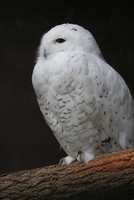
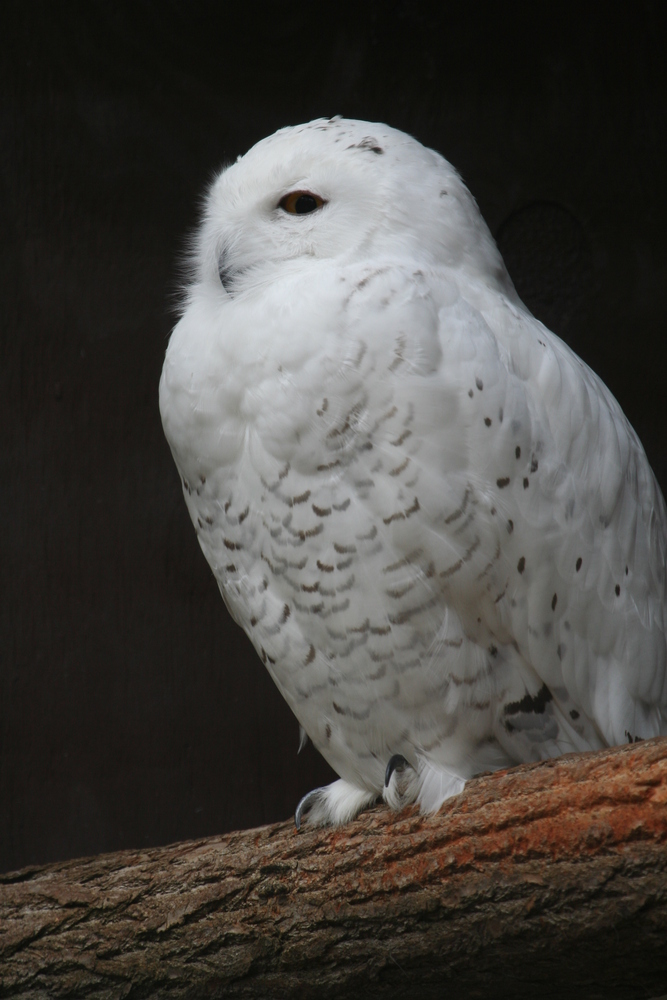
Snowy Owl,
Bubo scandiacus
(no album)
Turkey Vulture,
Cathartes aura
(no album)
Turkey Vulture,
Cathartes aura
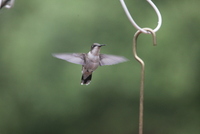
Hummingbird
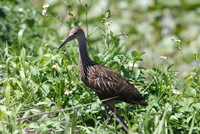
Limpkin,
Aramus guarauna
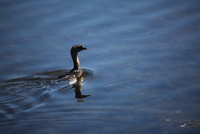
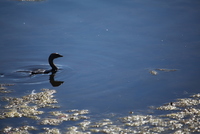
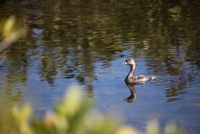
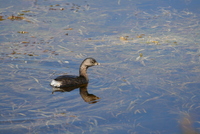
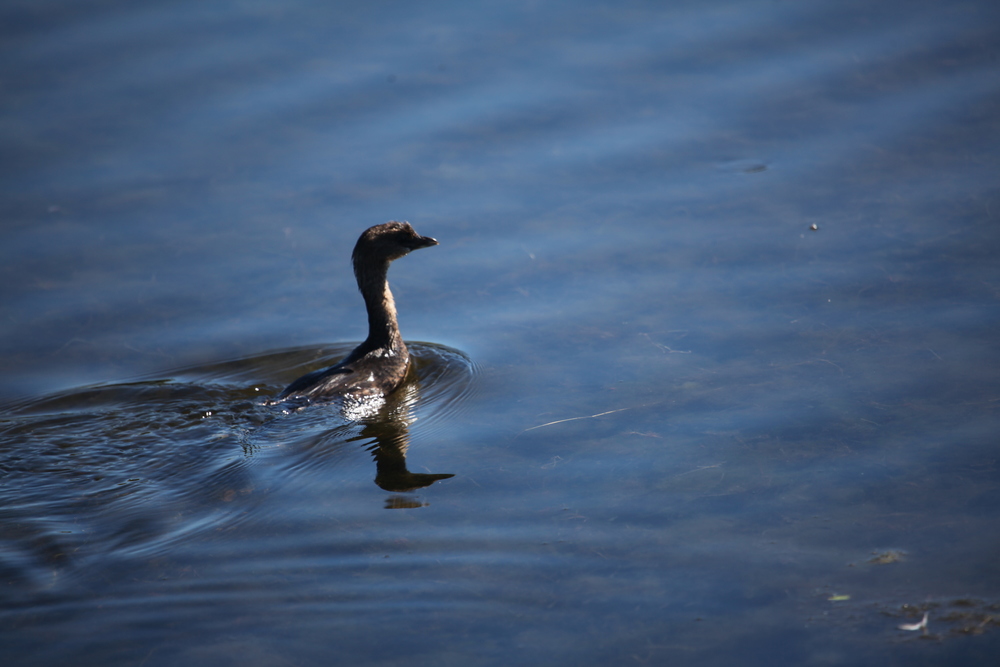
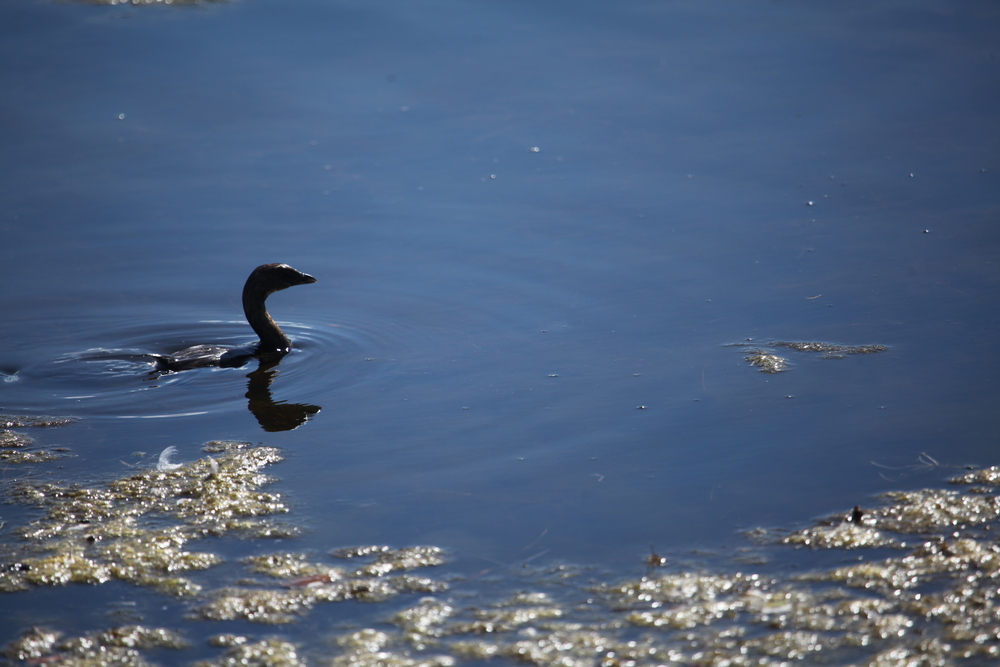
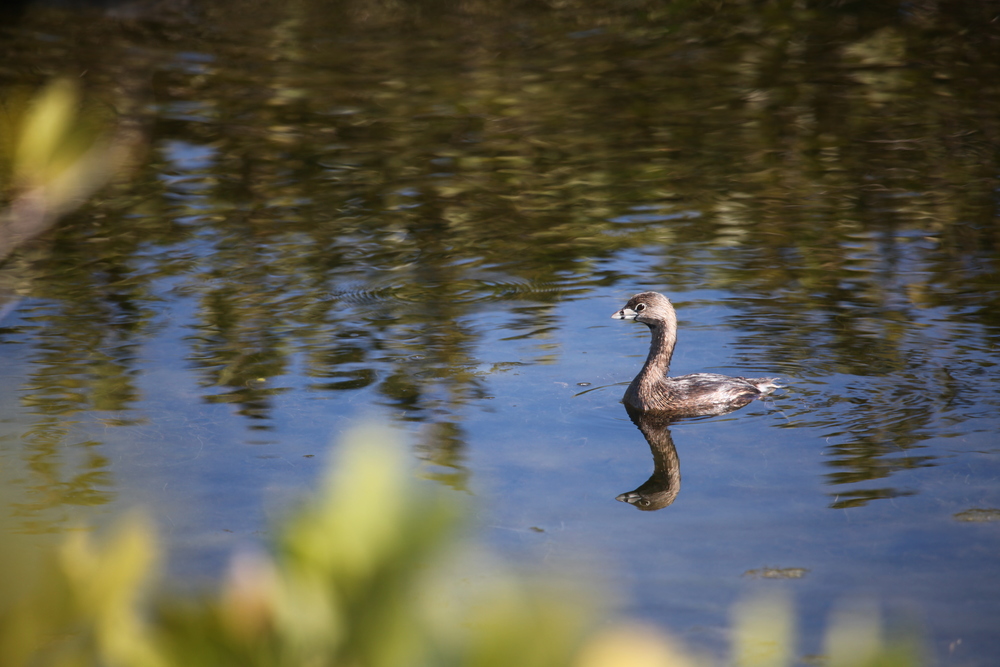
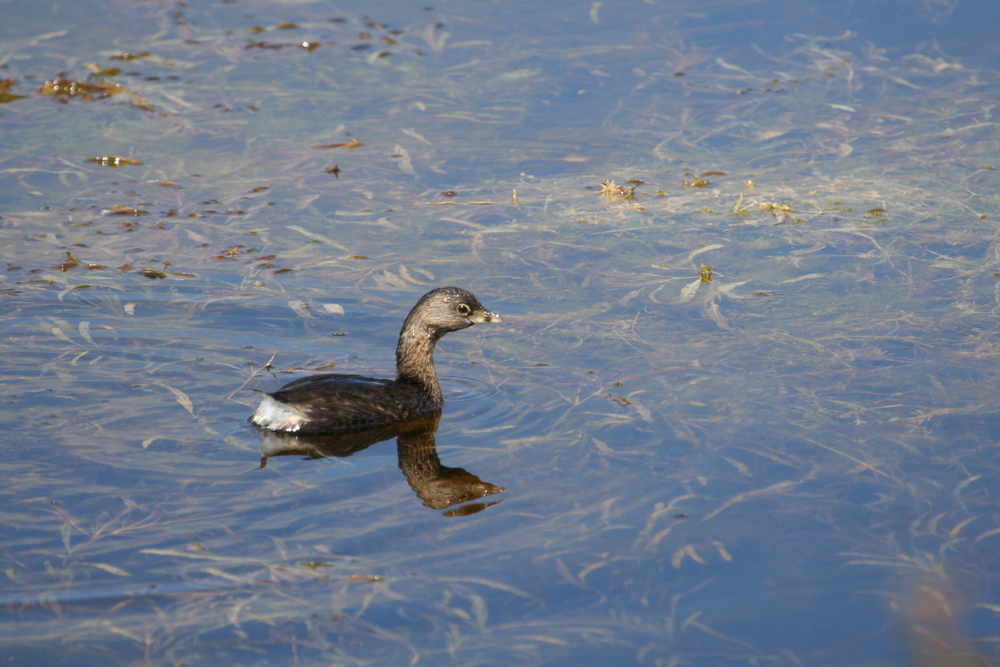
pied-billed grebe,
Podilymbus podiceps
Carolina Wren,
Thryothorus ludocicianus
Spruce Grouse,
Falcipennis canadensis
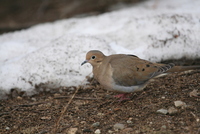
Mourning Dove,
Zenaida macroura
Piping Plover,
Charadrius alexandrinus
Sanderling
Killdeer
Least Tern,
Sternula antillarum
Swifts